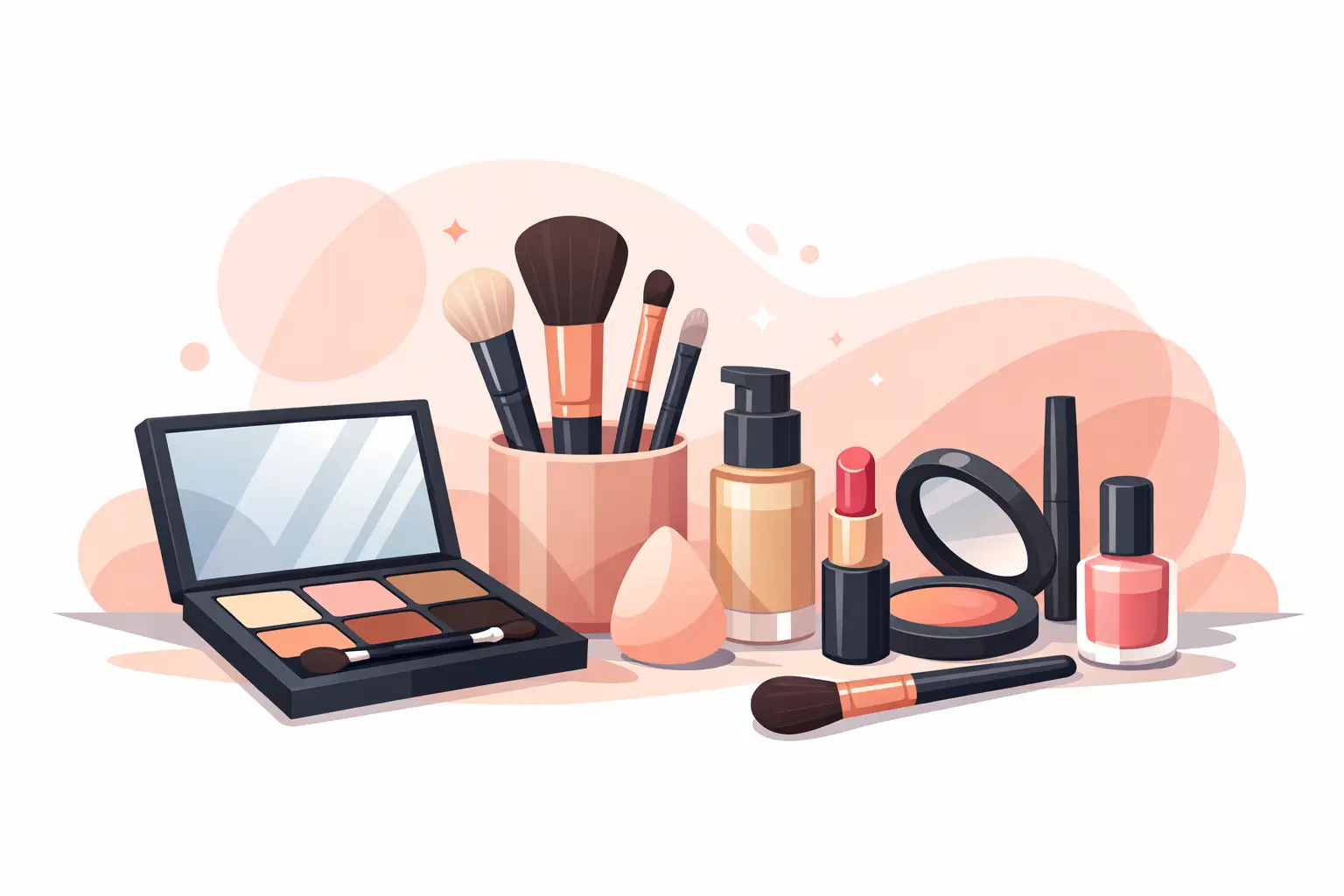
Starting makeup should feel fun, not like you need a 30-step routine and a drawer full of products by Friday. A good guide to beginner makeup essentials keeps things simple: buy a few basics that work hard, learn what each one does, and build from there without overspending.
That matters if you shop the way most people do now – comparing prices, looking for deals, and trying to get everything you need in one order. Makeup for beginners is less about chasing every trend and more about picking versatile products you will actually use. When your kit is small but smart, getting ready is faster, waste is lower, and it is much easier to figure out what deserves an upgrade later.
What belongs in a beginner makeup essentials kit
A beginner kit does not need every category in the beauty aisle. It needs a few products that create a clean, polished look for everyday wear. For most people, that means a base product, concealer, blush, brow product, mascara, and one lip option. If you want a little extra definition, add a neutral eyeshadow or eyeliner, but those can wait if your budget is tight.
Base products are where many beginners overspend or choose the wrong formula. If you prefer lightweight coverage, a skin tint, tinted moisturizer, or light foundation is usually easier to work with than a full-coverage matte foundation. Lighter formulas are more forgiving if your shade match is not perfect and they blend faster with fingers or a basic sponge. Full coverage can look great, but it shows texture more easily and often takes more prep.
Concealer is useful even if you skip foundation. A small amount under the eyes, around the nose, or on a blemish can make skin look more even without covering your whole face. Blush also does more than many beginners expect. It brings color back into the face, especially if your base product mutes your natural tone. Cream blush is beginner-friendly because it blends quickly and tends to look more natural, while powder blush usually lasts longer on oily skin.
Brows frame the face, so a simple brow pencil or tinted brow gel can make a big difference. If your brows are already full, gel may be enough. If they have sparse areas, a pencil gives more control. Mascara is another high-impact basic because it makes the eyes look more awake with very little effort. For lips, choose what fits your routine. Tinted balm is easy and comfortable, lipstick looks more finished, and gloss gives shine but may need more touch-ups.
A practical guide to beginner makeup essentials by skin type
Skin type changes what will feel easy and what will fight you all day. If your skin leans oily, powder formulas, oil-free base products, and a light dusting of setting powder can help makeup last longer. You do not need a heavy matte routine unless you like that look. Sometimes a lightweight foundation plus powder in the T-zone is enough.
If your skin is dry, cream products usually feel and look better. Hydrating primers are optional, but a moisturizer underneath makeup is not. Dry skin often grabs onto full-coverage or long-wear formulas in a way that can look patchy, so flexible, radiant products are often a safer starting point.
Combination skin sits in the middle, which means mixing formulas can make more sense than forcing one product to do everything. You might like a natural-finish base, powder only in the center of the face, and cream blush on the cheeks. Sensitive skin adds another factor. Fragrance-free or simpler formulas may be worth prioritizing, even if the shade range or packaging is less exciting.
The smartest way to shop your first makeup bag
The fastest way to overspend is buying products because they look impressive instead of because they fit your routine. Beginners do better with products that multitask, shades that are forgiving, and formulas with easy payoff. That means neutral tones, buildable coverage, and textures that blend without special tools.
A small makeup bag can go a long way if you shop in this order: base, concealer, blush, brows, mascara, lips. That lineup gives you an everyday face without making you choose between ten versions of the same step. If your budget has room for extras, then look at powder, bronzer, eyeshadow, setting spray, or eyeliner.
Price matters, but value matters more. A lower-cost product that you use every day is a better buy than an expensive palette that sits untouched. It also helps to compare product size, finish, and how many ways you can use it. A neutral cream stick, for example, may work on cheeks and lips. That kind of flexibility keeps your first order practical.
For shoppers who like variety and deals, marketplaces can make this easier because you can compare categories, prices, and options in one place instead of bouncing between stores. That is especially useful when you are building a starter kit and want beauty basics alongside everyday essentials.
Tools you actually need
You do not need a full brush set to start. Fingers work well for tinted moisturizer, cream blush, and lip products. A sponge can help with blending foundation or concealer, especially if you want a natural finish. If you prefer brushes, start with two or three: one for base, one for blush, and one small brush for concealer or eyes.
Eyelash curlers, powder puffs, and a dozen specialty brushes can come later if you decide you enjoy the process. At the beginning, the goal is not owning the most tools. It is getting results with the least friction.
Common mistakes this guide to beginner makeup essentials can help you avoid
One common mistake is choosing shades that are too light. Foundation should match your neck and chest as closely as possible, not just your hand. Concealer does not need to be dramatically lighter than your skin. A slight brightening effect is enough for under-eyes, while blemish concealer should match your skin tone closely.
Another mistake is applying too much product too fast. Most makeup is easier to build than to remove. Start small, blend, step back, and add more only where needed. This is especially true for blush, brow pencil, and mascara. A little can look polished. Too much can make the whole routine feel harder than it really is.
Skipping skincare prep also causes problems. Makeup usually sits better on moisturized skin, and daytime makeup looks better with sunscreen underneath. You do not need a complicated prep routine, but clean, hydrated skin gives every product a better chance.
Then there is the trend trap. Bold contour, heavy baking, graphic liner, and extra-full coverage can be fun, but they are not the easiest places to begin. If your goal is a reliable everyday routine, stick with techniques you can do in five to ten minutes. You can always branch out once the basics feel automatic.
A simple everyday routine for beginners
Start with moisturizer and sunscreen if it is daytime. Apply your base product lightly where you want evening out, not automatically all over the face. Use concealer sparingly under the eyes or on any spots that need extra coverage. Add blush to the cheeks for color and blend it upward.
Brush through the brows and fill only the areas that look sparse. Add mascara to open the eyes. Finish with your lip product of choice. If your skin gets shiny, press a little powder into the areas that need it most.
That routine is enough for work, errands, casual outings, and most everyday plans. If you want more polish, add a wash of neutral shadow or a soft eyeliner. If you want less, skip one step and keep moving. Beginner makeup should fit your life, not slow it down.
When to upgrade your kit
You do not need to replace everything at once. Upgrade when you notice a gap. Maybe your tinted moisturizer is great for daily wear, but you want a fuller-coverage option for events. Maybe your basic mascara works, but you want a waterproof formula for long days. Maybe your lip balm got you started, and now you want a lipstick that looks more dressed up.
This is where shopping with intention helps. Add categories only after your core routine is working. That way each new product has a purpose. You spend less, you get more use out of what you buy, and your makeup bag stays easy to manage.
A good first kit is not the one with the most products. It is the one that makes getting ready feel quick, affordable, and worth repeating. Start with the essentials, look for shades and formulas that fit your skin and schedule, and let your routine grow only when you are ready for more.